
Every year, Nigerian businesses lose countless hours and significant revenue to the complexities of managing installment sales. From chasing late payments to manually generating receipts and reconciling ledgers, the administrative burden can stifle growth and erode profitability. In 2026, relying on outdated methods for tracking payment plans is no longer sustainable.
The Shifting Landscape of Installment Sales in Nigeria
The Nigerian market for installment sales is booming, driven by increasing consumer demand for accessible financing across various sectors. The real estate sector, for instance, continues to see robust growth, with property developers in cities like Lagos, Abuja, Kano, and Kaduna increasingly offering flexible payment plans to attract buyers. Similarly, the automotive industry, particularly car dealers selling on hire purchase, relies heavily on structured repayment schedules. Cooperative societies and microfinance operators are expanding access to credit, while solar/equipment leasing companies and building material suppliers selling on credit are essential for economic development.
However, this growth brings significant operational challenges. A 2025 report by the National Bureau of Statistics indicated that small and medium-sized enterprises (SMEs) in Nigeria spend an average of 15% of their operational time on administrative tasks related to payment collection and reconciliation. This manual overhead often leads to errors, delayed payments, and strained customer relationships. Digital transformation is no longer a luxury but a necessity for businesses aiming to scale and maintain efficiency in this competitive environment. The ability to track installment payments, generate instant receipts, and manage client communications seamlessly is critical for survival and growth.
What You Need Before You Start
Before diving into automating your installment payment tracking and receipt generation, ensure you have the following foundational elements in place:
- Clear Payment Terms: Define your installment plan structures, including down payments, interest rates (if applicable), payment frequencies (weekly, monthly, quarterly), and late payment penalties.
- Client Data Repository: A centralized and organized system for storing client information, including contact details, identification, and payment history.
- Asset Register: If you're selling physical assets (cars, properties, equipment), a detailed register of these items linked to specific contracts.
- Designated Staff: Identify the team members responsible for managing sales, collecting payments, and handling client inquiries.
- Basic Digital Infrastructure: Reliable internet access and a computer or mobile device.
- Business Bank Account: A dedicated account for receiving installment payments.
Step-by-Step: Automate Payment Tracking & Receipt Generation
Automating your installment payment tracking and receipt generation involves a strategic shift from manual processes to integrated digital solutions. Follow these steps to implement an efficient system.
Step 1: Centralize Client and Asset Registration
The first critical step is to consolidate all your client and asset information into a single, accessible system. Manual records, scattered spreadsheets, or notes are prone to errors and make tracking difficult. For businesses like real estate developers needing to manage property sales or car dealers on hire purchase, this means linking specific assets to client profiles.
Begin by gathering all existing client data – names, contact information, identification details, and any previous transaction history. For assets, document unique identifiers, values, and any relevant specifications. This foundational data entry ensures accuracy and provides a complete overview of your business operations.
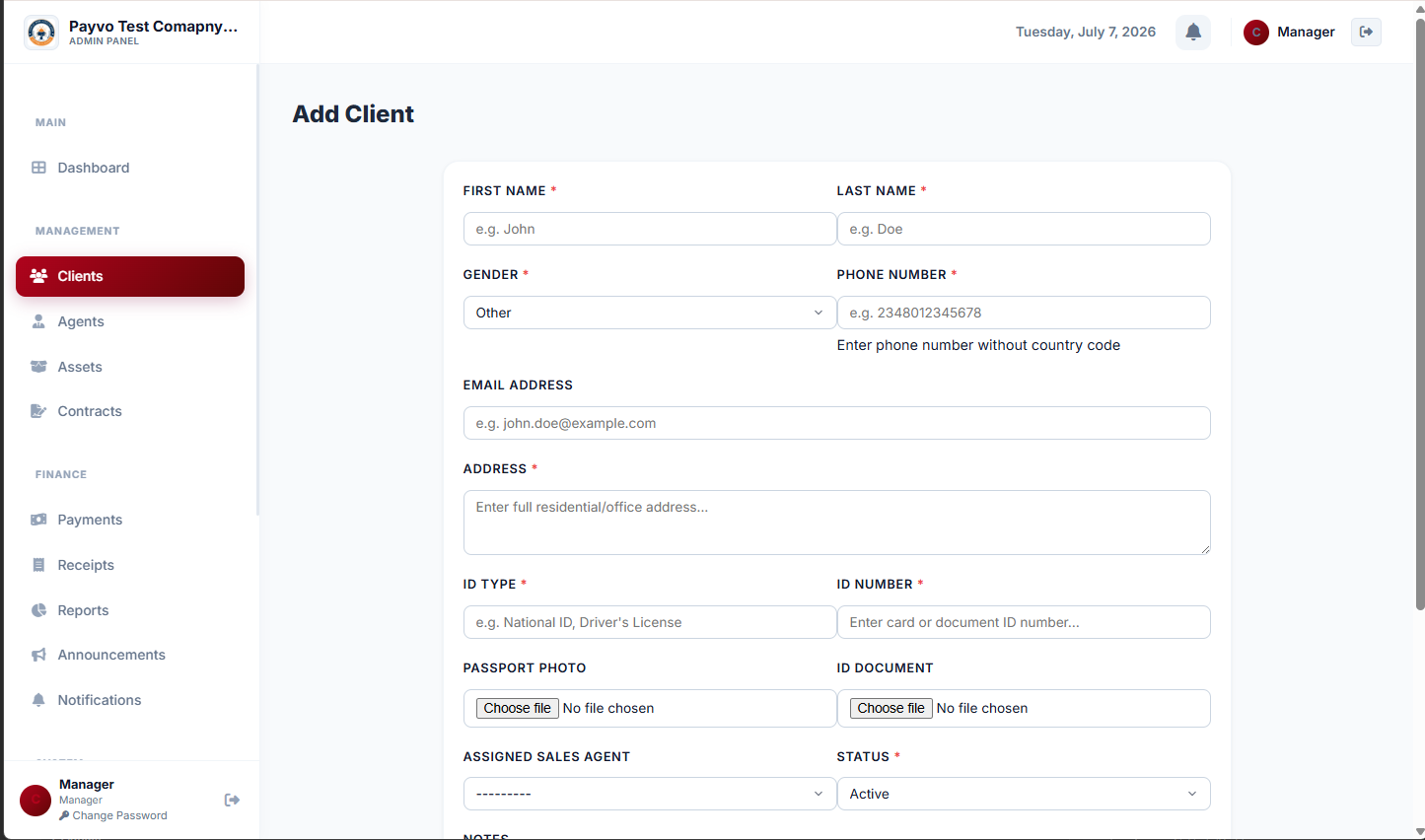 Client: Add Client page
Step 2: Define and Digitize Contract Terms
Once client and asset data are organized, the next step is to digitize your contract creation process. This involves setting up the precise payment terms for each installment plan. This includes the total amount, down payment, number of installments, payment frequency, and due dates. Manually calculating these schedules for each client is time-consuming and risks discrepancies.
A robust system will allow you to set these parameters once, and it will automatically generate the entire installment schedule. This not only saves time but also ensures consistency and accuracy across all your contracts. For cooperative societies managing loans or solar leasing companies, clear, digitized contracts are paramount for compliance and client understanding.
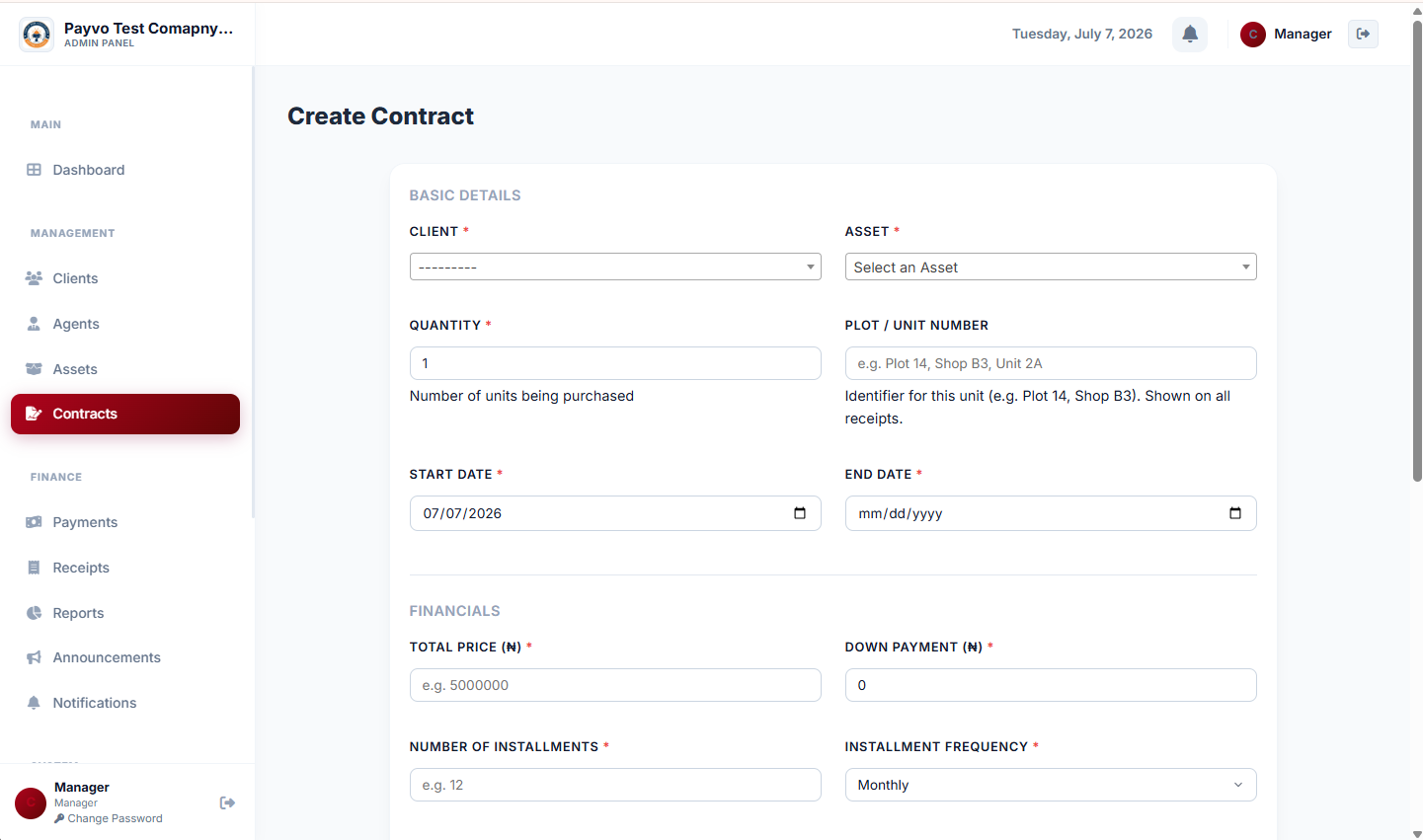 Management: Add contract (top)
Step 3: Implement Automated Payment Recording
One of the biggest time-sinks in installment sales is the manual recording of payments. Each payment received needs to be accurately logged against the correct client and contract. Without automation, this process is ripe for human error, leading to reconciliation issues and potential disputes.
An effective solution automatically records payments as they come in or provides a streamlined interface for staff to log payments quickly. This system should instantly update the client's payment history, reflecting their current balance and next due date. This real-time update is crucial for accurate financial reporting and proactive client communication.
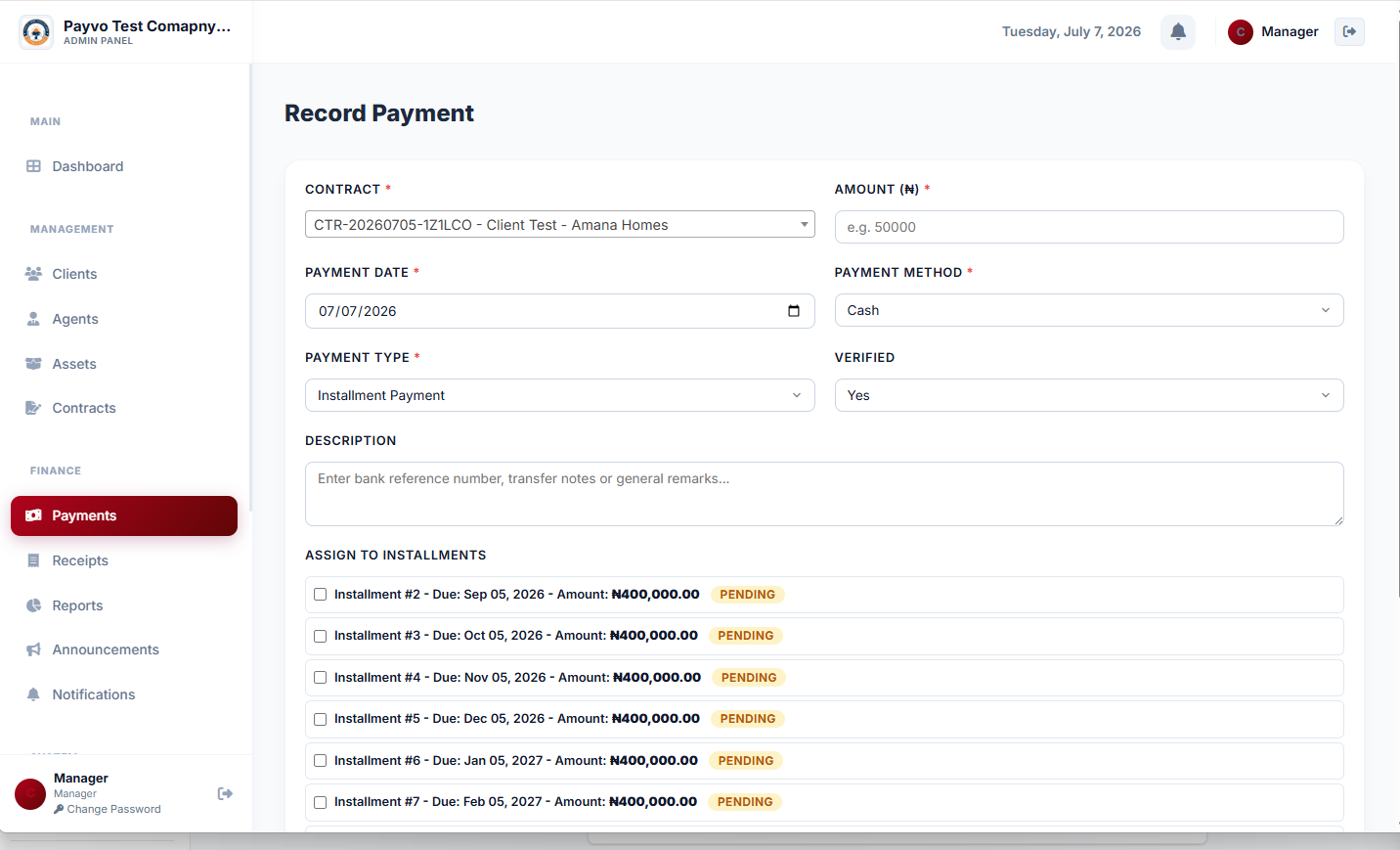 Finance: Record Payments Page
Step 4: Automate Receipt Generation and Delivery
After a payment is recorded, clients expect immediate proof of transaction. Manually creating and sending receipts for every installment payment is incredibly inefficient. This is particularly true for businesses with high volumes of transactions, such as building material suppliers selling on credit.
Automated receipt generation ensures that a professionally branded receipt is created instantly upon payment. Furthermore, the system should automatically deliver this receipt to the client via their preferred communication channel, such as email or WhatsApp. This not only enhances customer satisfaction but also provides an auditable trail for both parties. Such a system can significantly reduce administrative overhead and improve overall business payment tracking in Nigeria.
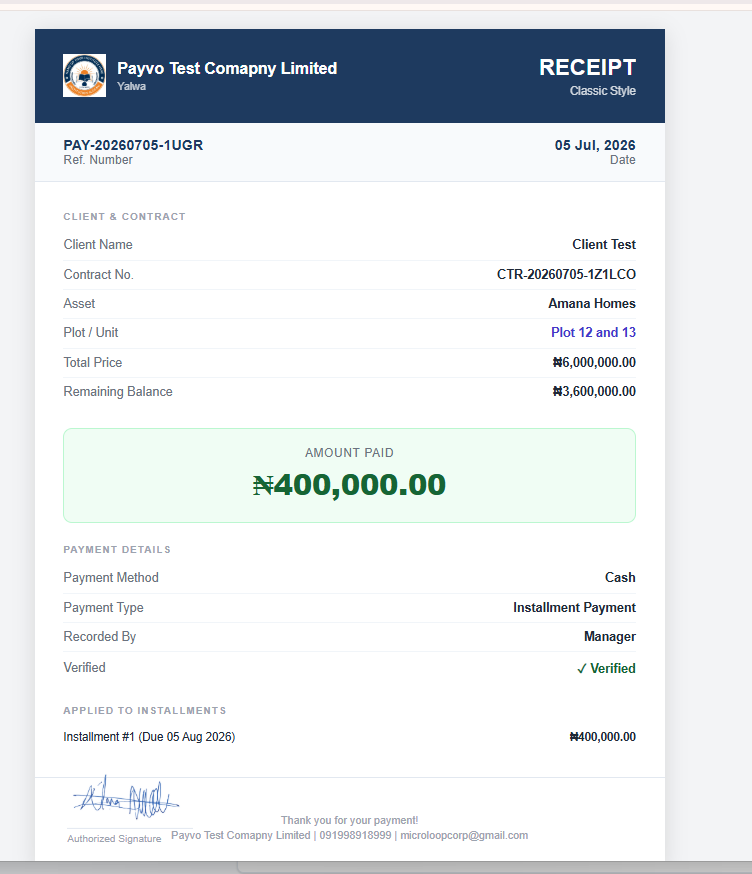 Finance: Paymnet Receipt Sample
Step 5: Set Up Automated Payment Reminders
One of the most effective ways to reduce late payments is through timely reminders. Manually tracking due dates and sending reminders to each client is a monumental task that often falls through the cracks. This leads to missed payments and requires more effort in chasing arrears.
An automated system sends out reminders before payment due dates, ensuring clients are prompted without any manual intervention from your team. These reminders can be customized and delivered via email or WhatsApp, providing a gentle nudge that significantly improves collection rates. This proactive approach frees up your staff to focus on sales and customer service rather than debt collection.
> "The true cost of a manual process isn't just the time spent, but the opportunities lost due to inefficiency and human error."
Step 6: Streamline Staff and Agent Management
For businesses that rely on a sales force or agents, managing commissions and tracking performance can add another layer of complexity. Real estate agencies or car dealerships, for example, often have multiple agents involved in various contracts, each with different commission structures.
An integrated system allows business owners to add staff with role-based permissions, controlling access to sensitive information. It also facilitates the assignment of agents to contracts, automatically calculates commissions per payment, and tracks their full earnings and payout history. Agents can even have self-tracking capabilities to view their KPIs and submit withdrawal requests directly, streamlining the entire process. This functionality is key for efficient agent commission tracking software.
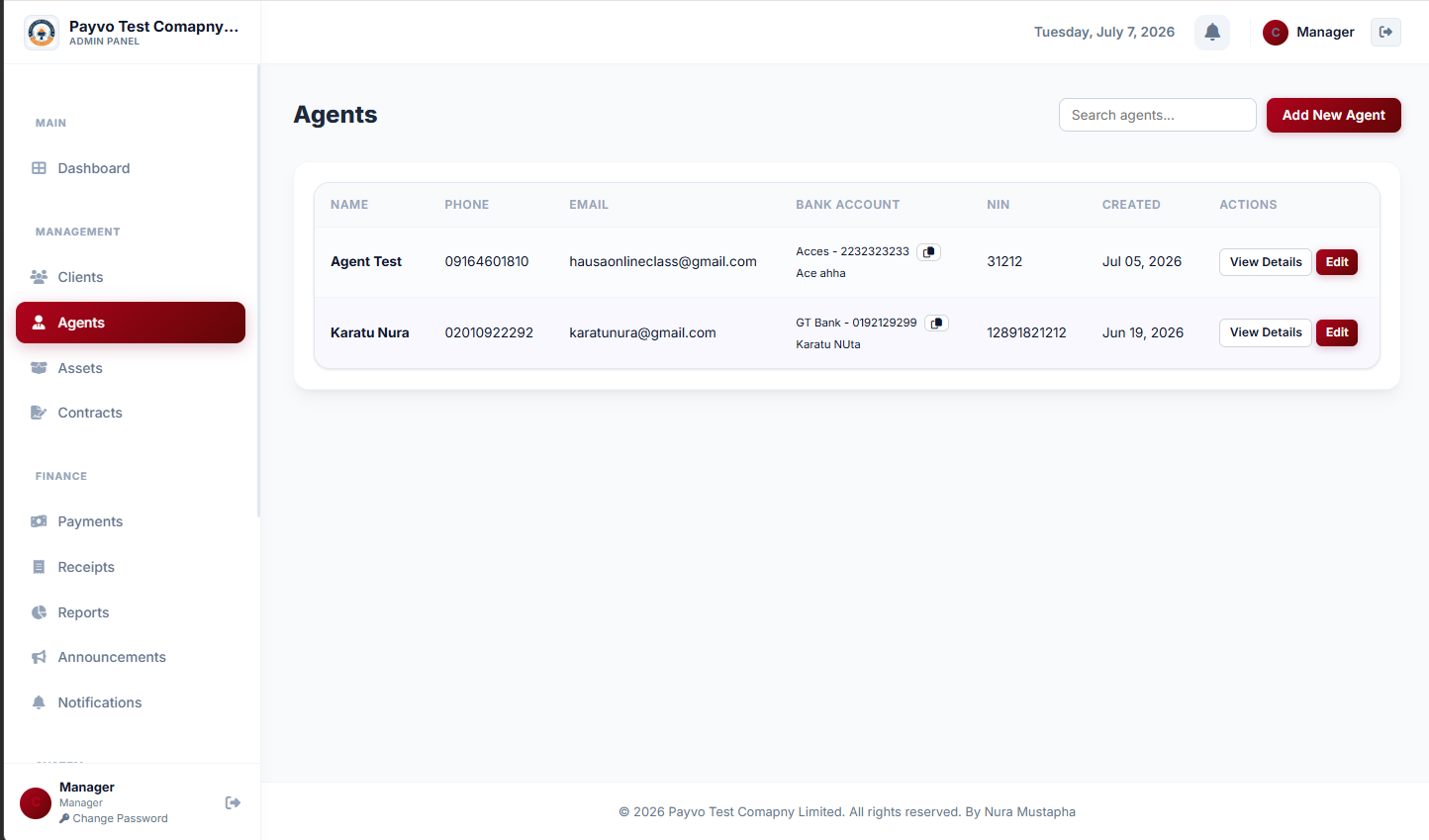 Agent: Agents list page
Step 7: Leverage Reporting and Analytics
The final step in automating your installment payment process is to utilize the data collected for informed decision-making. Without clear insights into your payment performance, outstanding balances, and client behavior, it's challenging to identify trends, mitigate risks, and strategize for growth.
An automated system should provide real-time dashboards that offer a quick overview of key metrics like total clients, active contracts, amount collected, and outstanding balances. It should also generate comprehensive reports, allowing you to export payment and contract data for accounting and record-keeping purposes. Regular reports, such as weekly company summaries, can keep owners abreast of business performance without needing to log in daily. This level of insight is invaluable for any business managing installment sales, offering a holistic view of financial health and operational efficiency.
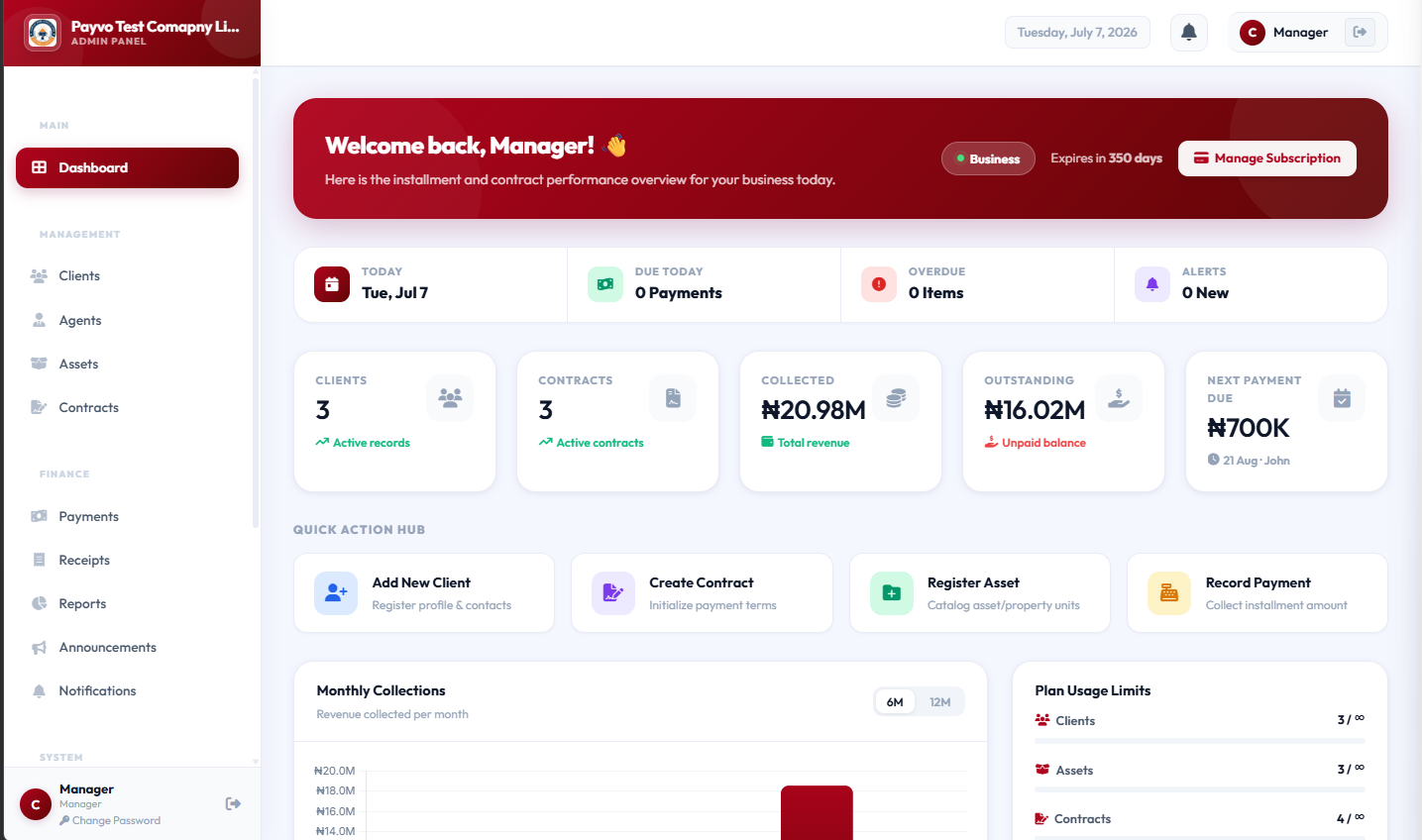 Dashboard (bottom)
Common Mistakes to Avoid
Automating your payment tracking and receipt generation can revolutionize your business, but watch out for these common pitfalls:
- Ignoring Data Accuracy: Rushing data entry or failing to verify existing client and asset information can lead to errors that propagate through the entire system. "Garbage in, garbage out" applies here.
- Overlooking Customization Needs: A generic solution might not fit your unique business model (e.g., specific commission structures, unique contract terms). Ensure the system can adapt to your processes.
- Skipping Staff Training: Even the most intuitive software requires proper training for your team. Lack of training leads to underutilization and frustration.
- Neglecting Client Communication: Automation should enhance, not replace, client communication. Ensure automated messages are clear, professional, and provide options for clients to reach out.
- Failing to Monitor Performance: Set it and forget it is a recipe for disaster. Regularly review dashboards and reports to identify issues, optimize processes, and ensure the system is delivering expected benefits.
- Underestimating Security Requirements: Handling sensitive client financial data demands robust security. Ensure your chosen solution has strong data protection measures and audit trails.
 Stylized illustration of a business person looking at a complex, tangled web of processes, representing common business challenges
How to Track and Grow After Launch
Implementing an automated system is just the beginning. Continuous monitoring and strategic growth are essential.
Key Performance Indicators (KPIs) to Watch:
- Collection Rate: Percentage of due payments successfully collected within the payment cycle.
- Arrears Rate: Percentage of total outstanding amount that is overdue.
- Client Retention Rate: How many clients continue their installment plans to completion.
- Operational Cost Savings: Measure the reduction in administrative hours spent on payment tracking and receipt generation.
- Customer Satisfaction: Gather feedback on the ease of payment and clarity of communication.
Growth Tactics:
- Analyze Payment Trends: Use your system's reporting features to identify peak payment times, common reasons for delays, and client segments that perform best. This data can inform future sales strategies and contract terms.
- Optimize Reminder Schedules: Experiment with the timing and frequency of automated payment reminders to find what works best for your client base.
- Personalize Client Interactions: While automation handles routine tasks, use the freed-up time to offer more personalized service to high-value clients or those needing extra support.
- Expand Service Offerings: With greater efficiency, you'll have the capacity to take on more clients or introduce new products and services requiring installment plans.
- Leverage Agent Performance Data: If you use agents, utilize the agent commission tracking software features to identify top performers and provide targeted training to others. Detailed insights into agent earnings and payout history can be found on the Agent Tracking Page.
A robust installment management software in Nigeria will provide the analytical tools necessary to track these KPIs effectively. For instance, platforms like Payvo offer real-time dashboards and comprehensive reports that allow you to monitor all these metrics at a glance, providing the insights needed to make data-driven decisions and foster sustainable growth.
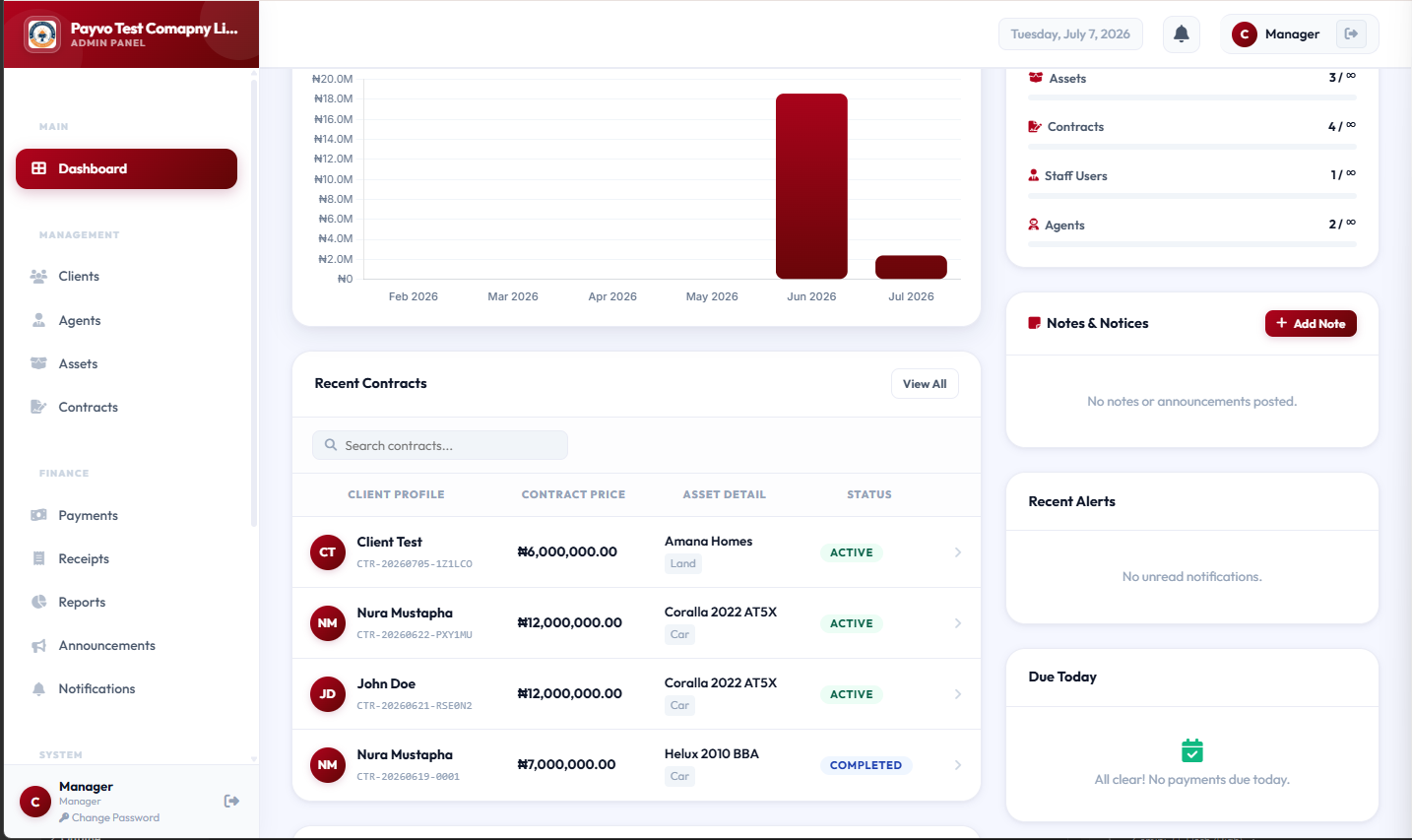 Dashobard (top)
Frequently Asked Questions
Q1: What kind of businesses benefit most from automated installment payment tracking?
A: Any business that sells products or services on a payment plan benefits significantly. This includes real estate developers, car dealerships offering hire purchase, cooperative societies, microfinance institutions, solar/equipment leasing companies, building material suppliers, and any small business managing credit sales. Essentially, if you have recurring payments from clients over time, automation is crucial.
Q2: Is it difficult to integrate automated systems with existing business operations?
A: Modern installment management software in Nigeria is designed for ease of integration. Most platforms are web-based, meaning you can access them from any device with an internet connection. Initial data migration might require some effort, but the long-term benefits far outweigh the setup time. Look for systems with good customer support and clear setup guides.
Q3: How do automated payment reminders improve collection rates?
A: Automated payment reminders significantly reduce late payments by proactively notifying clients before and on their due dates. This eliminates the need for manual follow-up calls, reduces human error, and ensures consistency in communication. Many systems also allow for reminders via WhatsApp, a popular communication channel in Nigeria, increasing visibility.
Q4: Can these systems help with managing sales agents and their commissions?
A: Yes, many advanced contract management software Nigeria solutions include robust agent management features. They allow you to assign agents to specific contracts, automatically calculate their commissions based on payments received, and track their earnings and payout history. Some even offer agent self-tracking portals to view their performance and submit withdrawal requests.
Q5: What security measures should I look for in an installment payment tracking system?
A: Data security is paramount. Look for systems that offer secure data encryption, role-based access control for staff, regular data backups, and audit logs to track all activities within the platform. Compliance with local data protection regulations is also crucial. For more details on data security, you can review a platform's Privacy Policy Page.
Q6: How does automated receipt generation work, and what are its benefits?
A: Automated receipt generation means that as soon as a payment is recorded, a professional, branded receipt is instantly created and sent to the client via email or WhatsApp. This eliminates manual receipt writing, reduces errors, provides immediate proof of payment for clients, and maintains a clear, digital audit trail for your business, significantly streamlining your payment process.
Q7: What are the benefits of using a WhatsApp payment notification system?
A: A WhatsApp payment notification system leverages the widespread use of WhatsApp in Nigeria for instant and direct communication with clients. It ensures that payment reminders, new contract notifications, and receipts are delivered to clients' phones in real-time, increasing engagement and reducing the chances of messages being missed compared to traditional email or SMS.
Ready to Streamline Your Installment Sales?
Stop letting manual processes hinder your business growth. Embrace automation to efficiently manage client payments, generate instant receipts, and keep your operations running smoothly. Discover how a dedicated contract and installment management system can transform your business by visiting our Public Home Page today.